
5908 Houston Lane,
Crestview, FL 32539
(850) 682-3837
THURS - SAT: 9AM - 4PM
SUN - WED: CLOSED
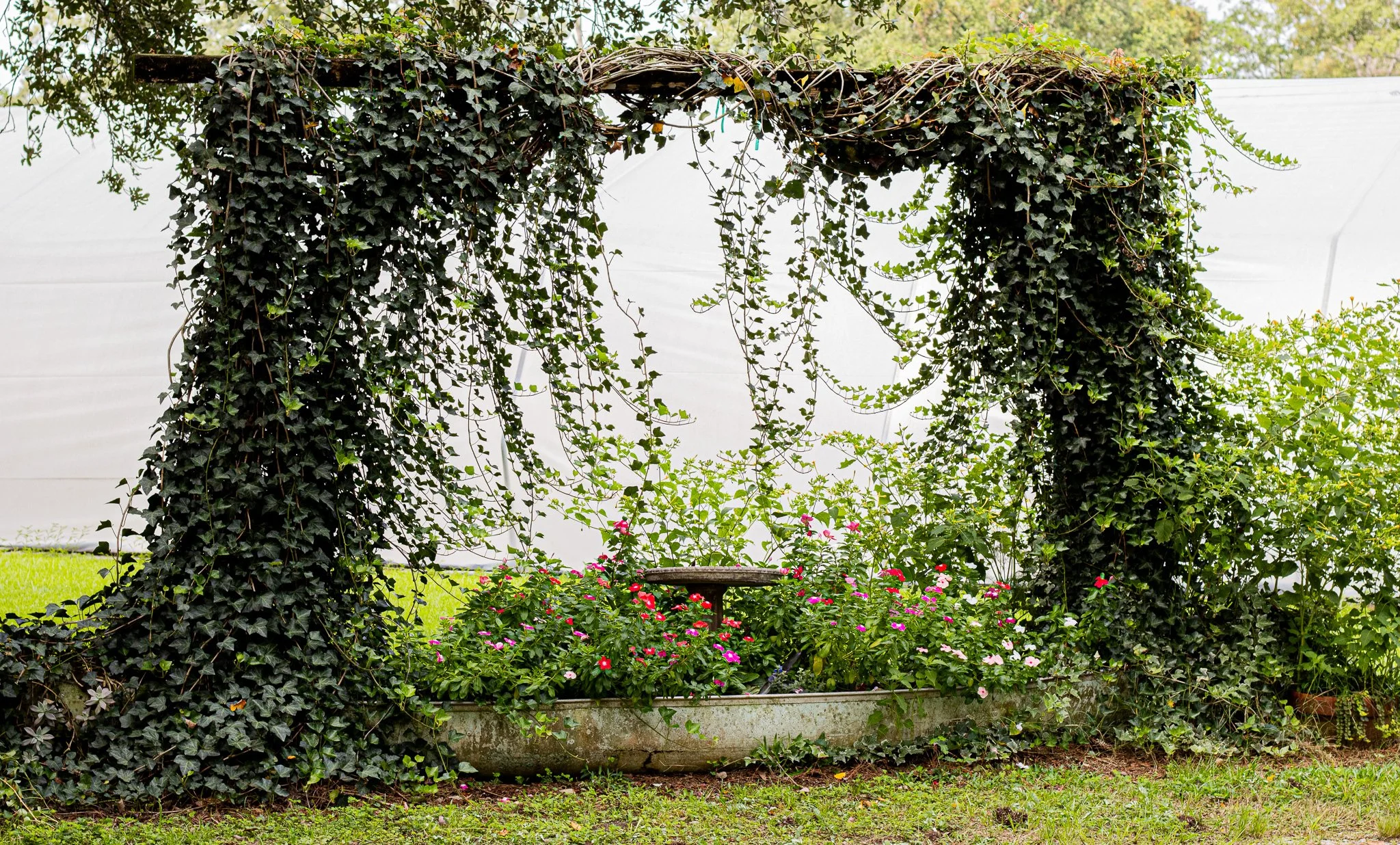
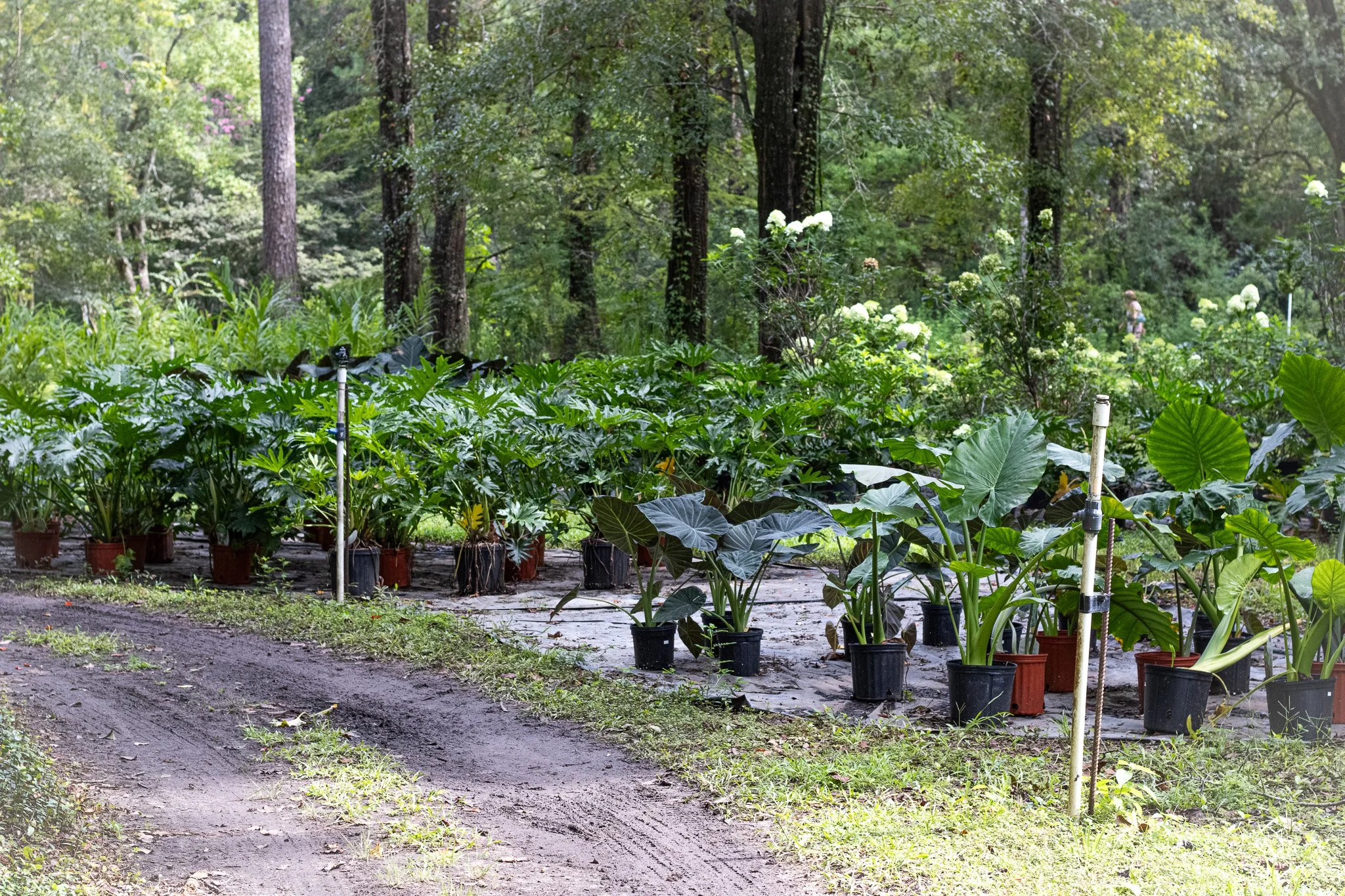
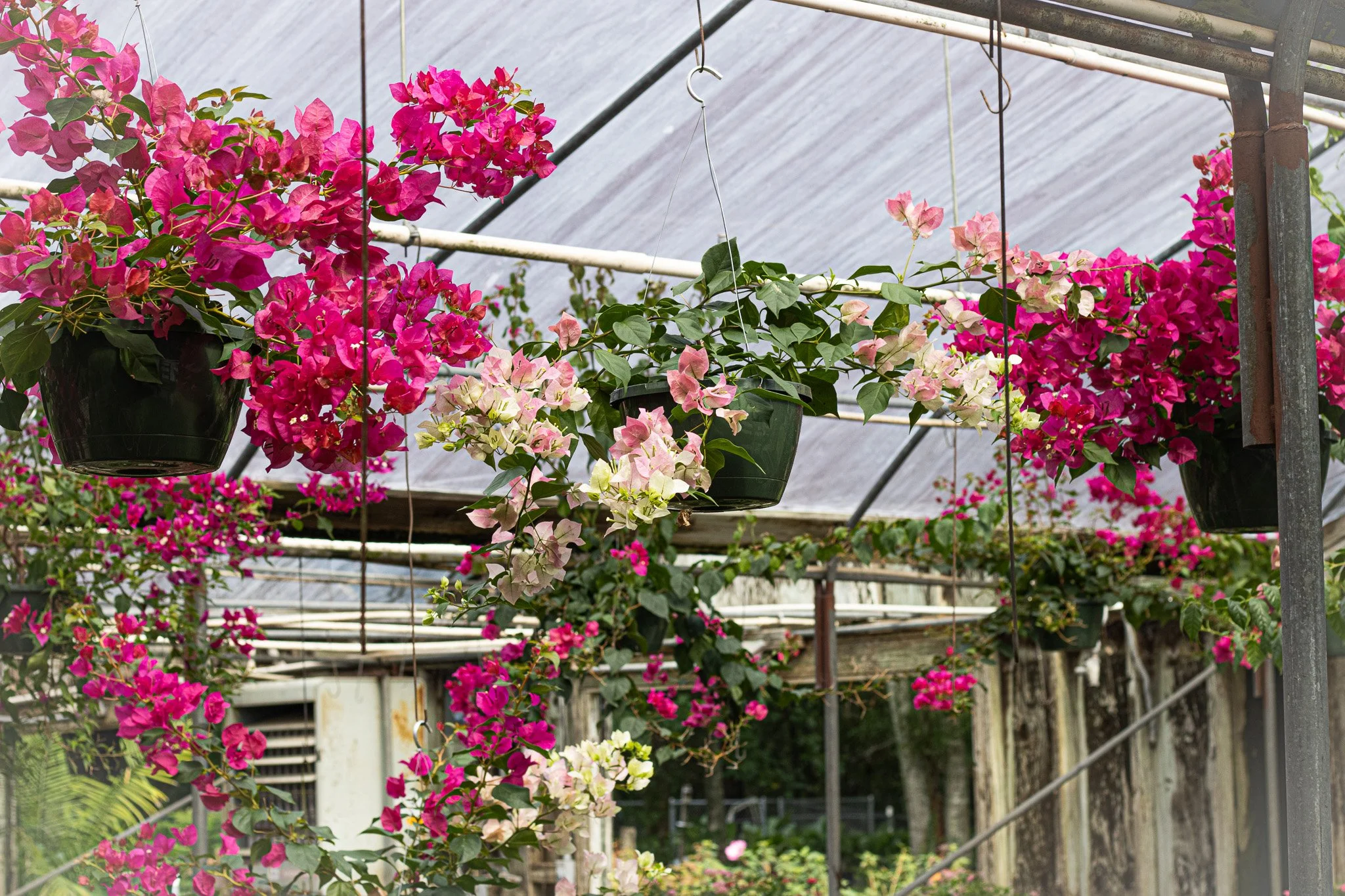
In the 1960s, Tommy and Jeanette Horne began with a simple thing: potting azaleas. But with their knowledge, their love of plants, and a vision for what could be, those azaleas grew into something much bigger — Crestview Nurseries.They believed in growing their own plants, right here at home, so they could offer their community the quality and variety they were proud to put their name behind.More than 60 years later, those same roots still run deep.Today, we’re honoring Tommy and Jeanette’s vision while growing Crestview Nurseries into its next chapter — a place designed not only to grow plants, but to bring people together.Welcome to Crestview Nurseries: The Thicket. A place where you can pick up compost by the scoop, wander through homegrown hydrangeas, grab a jar of local honey, and stay awhile beneath the trees.There is so much more to come, but one thing will never change: our roots.The Thicket — where nature brings people together.

EVENT SCHEDULE
EVENT SCHEDULE

oUR GARDENING TIPS & TRICKS
Crush weeds, unleash color, and revolutionize your outdoor space with expert hands.
-
There’s something about fall that makes us want to slow down, spend a little more time outside, and make home feel extra welcoming. And while Northwest Florida may not bring crisp temperatures quite as early as we’d like, that doesn’t mean we can’t bring the feeling of fall to our front porches.
From overflowing mums to pumpkins tucked between planters, creating a beautiful fall porch doesn’t have to be complicated. Here are a few of our favorite ways to welcome the season at The Thicket.
1. Start With Something Living 🌿
Before adding pumpkins and décor, start with plants. They give your porch texture, height, and that lush, layered look that makes everything else feel intentional.
Mums are a fall classic, but don’t be afraid to mix in greenery and seasonal plants that thrive in our Northwest Florida climate. Use different heights and pot sizes to make your arrangement feel full rather than perfectly symmetrical.
Thicket Tip: Group planters in sets of three and vary their heights. It’s one of the easiest ways to make a porch look professionally styled.
2. Layer Your Pumpkins 🎃
Perfectly matching pumpkins aren't required—in fact, we think the best fall porches are a little imperfect.
Mix traditional orange pumpkins with white, green, heirloom, and uniquely shaped varieties. Place larger pumpkins toward the back and tuck smaller ones between pots, beside steps, and around your doorway.
The goal is to make it look like fall naturally found its way onto your porch.
3. Think Beyond Orange
Fall can be so much more than orange and brown.
For a softer, natural look, pair creamy whites, muted greens, warm terracotta, deep burgundy, and touches of golden yellow. Let the colors already found in your plants and pumpkins inspire the rest of your porch.
4. Add Something With Height
One of the biggest secrets to a beautiful porch is creating different levels.
Tall planters, ornamental grasses, stacked pumpkins, baskets, lanterns, or even a small bench can draw the eye upward and keep everything from sitting at the same height.
If your porch feels like it's missing something, chances are it needs a little height!
5. Bring in Natural Texture 🍂
Fall decorating doesn't have to come from a décor aisle.
Wooden baskets, terracotta pots, hay bales, branches, pinecones, natural wreaths, and other organic materials add warmth without making your porch feel overly decorated.
We especially love mixing these textures with living plants because they transition beautifully from early fall all the way into Thanksgiving.
6. Don't Forget the Welcome
Your front porch is the first glimpse people get of your home, so make it feel like you.
Add a favorite rocking chair, a cozy outdoor pillow, a layered doormat, or a wreath you love. You don't need to follow every trend. A beautiful porch should feel collected, comfortable, and welcoming.
Let Fall Find You at The Thicket
Need a little inspiration before getting started?
Come wander The Thicket, pick out your favorite plants and pumpkins, and let us help you put together a fall porch you'll love coming home to.
-
Fall in Northwest Florida may not mean packing the garden away for winter, but it does give us the perfect opportunity to reset.
After months of Florida heat, heavy rain, fast-growing plants, and plenty of weeds, your yard may be ready for a little attention. A seasonal cleanup now can make your outdoor spaces look better this fall while setting your plants up for success in the months ahead.
Here are a few places to start.
1. Clear Out What’s Done
Start by walking through your flower beds, containers, and garden areas and removing annuals that have reached the end of their season, fallen limbs, dead plant material, and anything that simply isn't thriving.
But don't feel like everything has to go! Some healthy plant material and seed heads can provide habitat and food for beneficial insects and wildlife.
2. Tackle Those Weeds
We know—weeding isn't exactly the glamorous part of gardening.
But fall is a great time to get them under control before they have another opportunity to spread. Pull weeds from beds, around trees, along walkways, and especially before adding a fresh layer of mulch.
Your future spring-gardening self will thank you.
3. Give Your Beds a Fresh Edge
Sometimes your landscaping doesn't need an overhaul—it just needs a good cleanup.
Redefining the edges around flower beds, removing encroaching grass, and tidying borders can instantly make your entire yard look more polished.
4. Refresh Your Mulch
Our Northwest Florida summers can be tough on mulch. By fall, beds may be looking thin, faded, or uneven.
After cleaning and weeding, add a fresh layer of mulch to help regulate soil temperature, retain moisture, suppress weeds, and give your landscaping a finished look.
Thicket Tip: Avoid piling mulch directly against the trunks of trees and shrubs. Give those trunks a little room to breathe!
5. Clean Up Your Containers 🪴
Don't forget about the pots around your porch and patio.
Remove tired summer annuals, trim back plants that need a refresh, clear away debris, and evaluate your soil. Then you have a clean slate for adding seasonal color and creating those beautiful fall porch combinations.
6. Take a Look at Your Trees & Shrubs
Fall cleanup is a good opportunity to really look at your landscape.
Check for broken or damaged branches, signs of pests, overcrowding, and plants that may have outgrown their current location.
Be thoughtful before reaching for the pruning shears, though. Different plants have different pruning schedules, and cutting at the wrong time can mean removing next season's blooms.
When you're unsure—ask us!
7. Make Your Plan for What's Next 🌱
Once everything is cleaned up, take a walk around your yard again.
Where could you use more color? Is there an empty spot you've been meaning to fill? Could your landscaping use another shade tree, flowering shrub, or new garden bed?
Fall is a wonderful time to stop looking at your yard as individual projects and start thinking about how you want the entire space to grow.
A New Season at The Thicket
Sometimes making your outdoor space beautiful doesn't start with adding more—it starts with clearing away what the last season left behind.
Clean the beds. Pull the weeds. Refresh the mulch. Then make a little room for something new.
-
A thriving garden naturally attracts a little life—and not all of it is bad.
Butterflies, bees, ladybugs, birds, and other beneficial visitors all have a place in a healthy landscape. But when aphids start taking over new growth, caterpillars are making lunch out of your vegetables, or pests begin damaging the plants you've worked hard to grow, it may be time to step in.
The good news? Protecting your garden doesn't always have to mean reaching for the strongest chemical on the shelf.
Here are a few ways to take a more natural approach to pest control while keeping your Northwest Florida garden healthy and thriving.
1. Start With a Healthy Garden
One of your best defenses against pests is a healthy plant.
Choose plants suited for the amount of sun, soil, and moisture available in your landscape. Water appropriately, give plants enough room for airflow, and regularly remove damaged or diseased plant material.
A stressed plant can be more vulnerable to problems, so good garden care is your first line of defense.
2. Know Your Bugs Before You Treat 🐞
Not every bug in your garden is the enemy!
Ladybugs, lacewings, spiders, praying mantises, and many other garden visitors can help naturally control pest populations.
Before treating your plants, take a minute to identify what's actually causing the damage. You may discover that some of those creepy-crawly visitors are actually working for you.
Thicket Tip: If you're not sure what you're looking at, snap a photo and bring it with you when you visit us. Identifying the problem should always come before choosing the solution.
3. Catch Problems Early
Make a habit of checking your plants while you're watering or walking through the garden.
Look underneath leaves, inspect tender new growth, and watch for discoloration, holes, webbing, sticky residue, or unusual changes.
A handful of pests is much easier to manage than an established infestation.
4. Try the Simplest Solution First
Sometimes pest control really can be simple.
Small infestations may be managed by removing affected leaves, hand-picking larger pests, or using a strong stream of water to knock certain insects from the plant.
Starting with the least disruptive option helps protect the beneficial insects you want to keep around.
5. Consider Lower-Impact Garden Products
When your plants need a little more help, products such as insecticidal soaps, horticultural oils, neem-based products, or other organic-labeled controls may be options depending on the pest and plant.
The important part is choosing the right product for the right problem.
Always follow the product label carefully, including directions for application, edible crops, temperature restrictions, and pollinator precautions. Even products labeled natural or organic need to be used responsibly.
6. Invite the Good Guys In 🦋
Instead of only thinking about how to keep pests out, think about who you'd like to invite in.
A diverse landscape with flowering plants, herbs, shrubs, and native or Florida-friendly plants can provide food and habitat for pollinators and beneficial insects.
The more life your garden supports, the more balanced that little ecosystem can become.
7. Think Prevention, Not Perfection
An organic-minded garden isn't necessarily a bug-free garden—and that's okay.
A few nibbled leaves don't always mean there's a problem. The goal is to keep damaging pests at manageable levels while creating an environment where your plants and the beneficial creatures around them can thrive.
Sometimes the healthiest garden isn't the one without bugs.
It's the one that's alive.
Why We Lead
VISION
MISSION